The Postpartum Recovery Smoothie
When feeding yourself feels impossible
Servings: 2 portions | Prep: 7 minutes
Make once. Feed yourself twice.
Why This Matters
You're making milk.
Around the clock.
From a body that's depleted.
And someone just told you to"make sure you're eating enough."
As if you have two hands free.
As if you have energy to chew.
As if one more task won't break you.
This smoothie takes 7 minutes.
Requires one hand if needed.
Contains ingredients traditionally used to support milk supply, with emerging scientific support.
Not a wellness trend.
Survival nutrition for bodies that are literally feeding life.
The Recipe
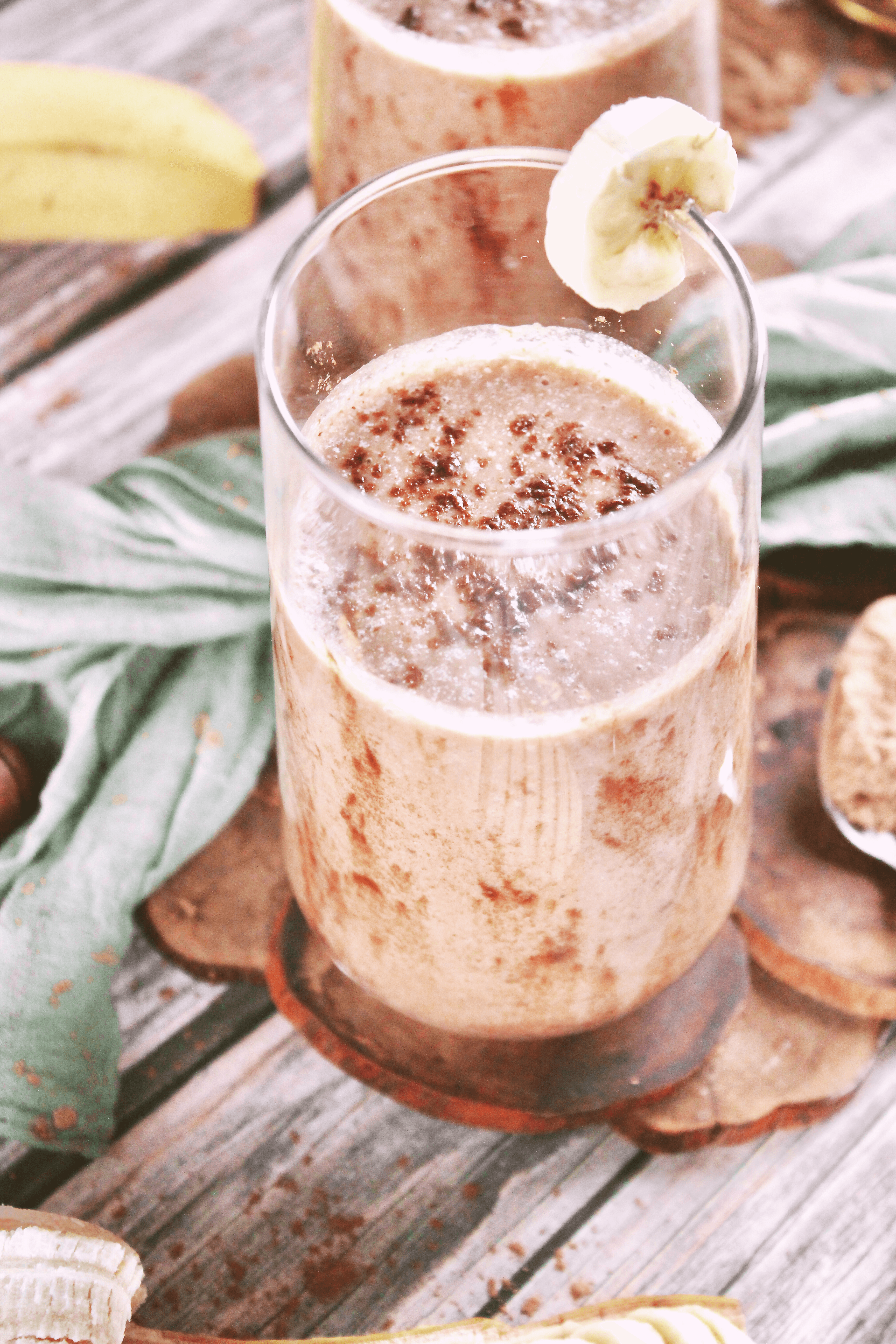
Postpartum Recovery Smoothie
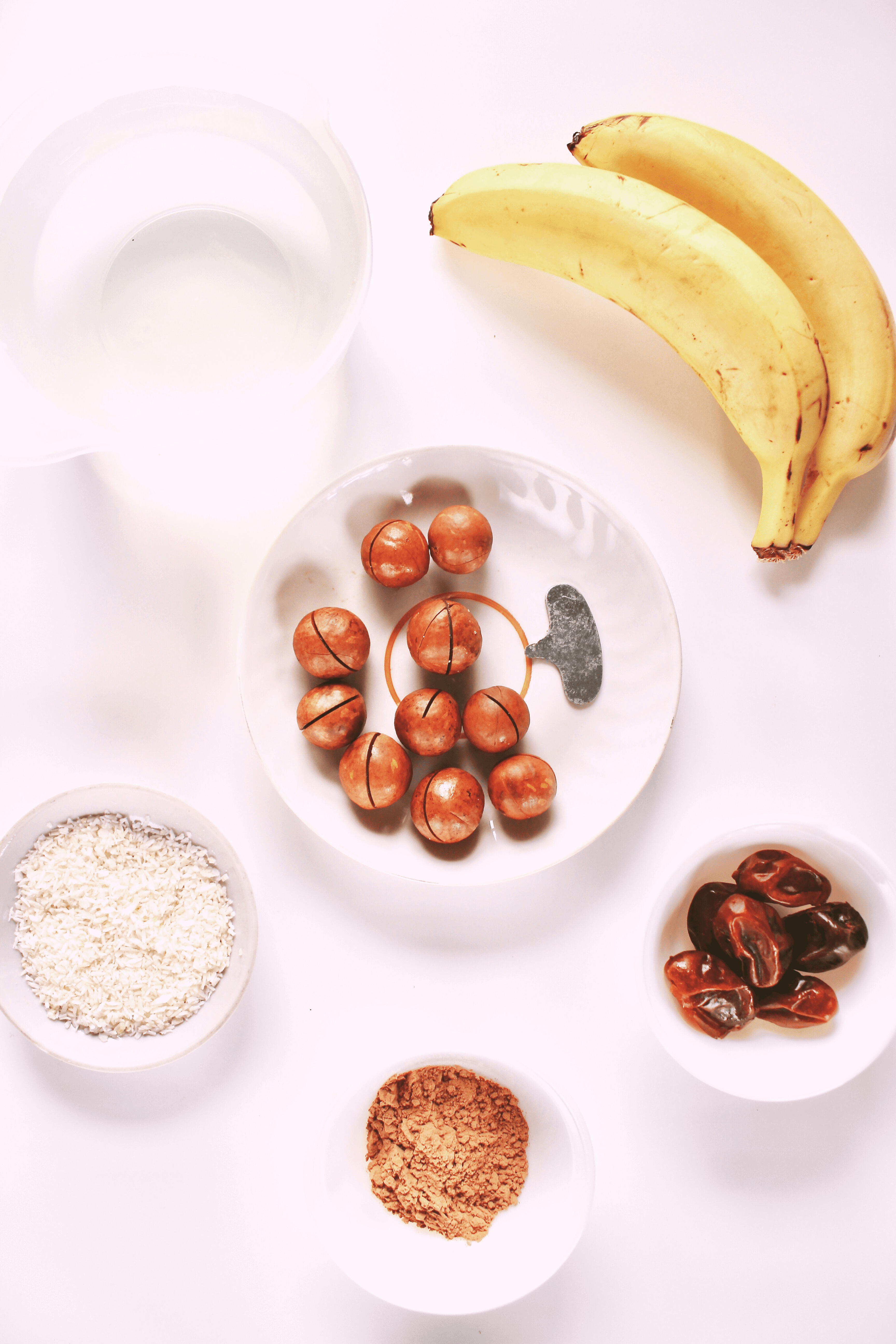
Essential Base:
1 cup oat milk
½ cup water
2 frozen banana (sweetness, texture)
6 pitted dates
(If you are sensitive to blood sugar swings, reduce to 4 dates instead of 6)
10 macadamia nuts
5 tsp unsweetened dried coconut flakes
4½ tsp carob powder
Bloomest Boost (just dump in):
2 tbsp ground flax seeds (omega-3, lignans)
1 tsp maca powder (hormone support)
1 scoop collagen peptides (tissue repair)
Optional (if tolerating):
1 tsp cinnamon (blood sugar, milk supply)
1 tsp vanilla extract (taste)
2-3 ice cubes (if banana not frozen)
Instructions:
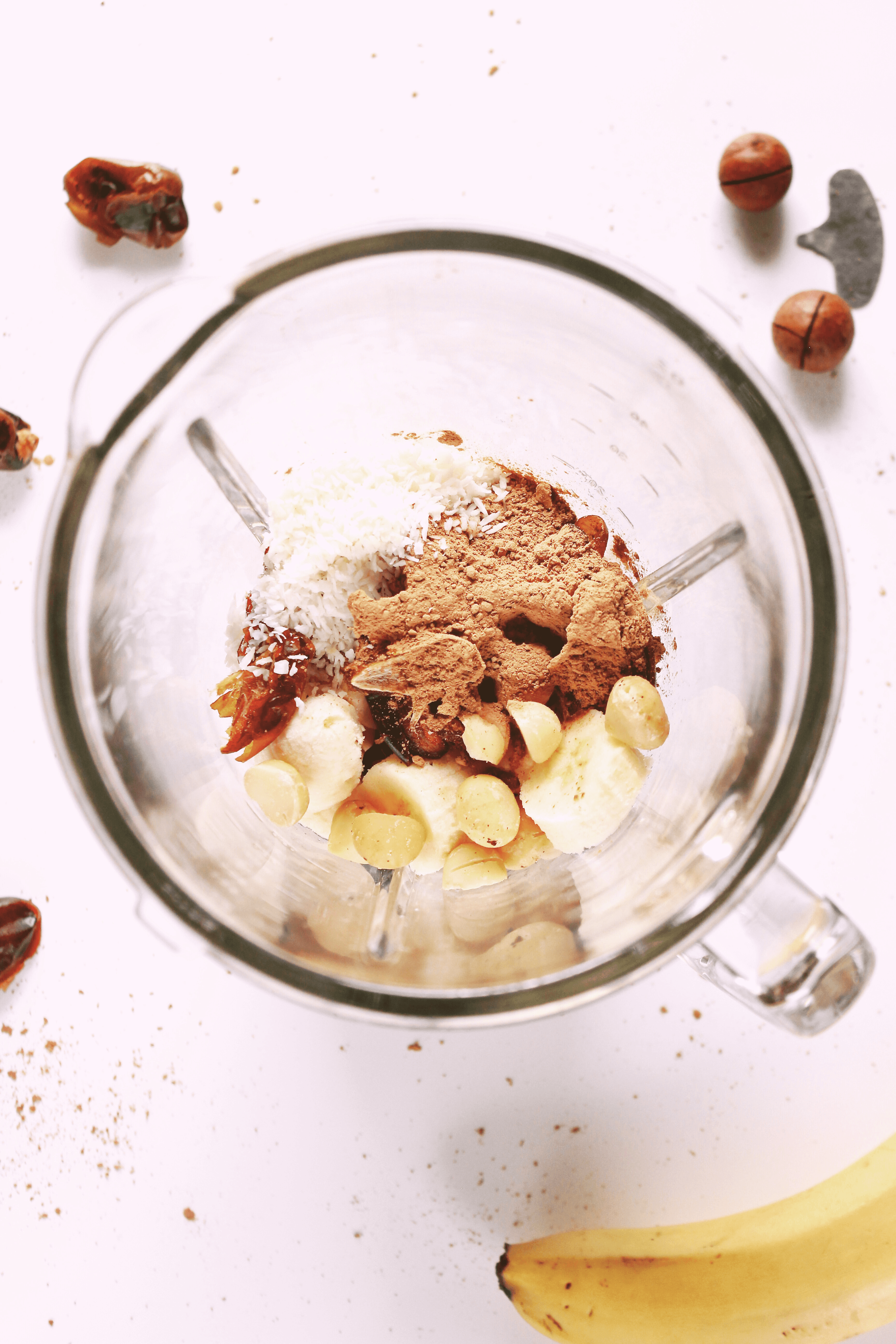
Add first the pitted dates
Add frozen banana (break in half if needed)
Add shelled macadamia nuts
Add dried coconut flakes
Add carob powder
And in the end add oat milk and water
Dump in: flax, maca, collagen (if wanted)
5. Blend 30-60 seconds until smooth, paying attention to blend finely the macadamia nuts and dates
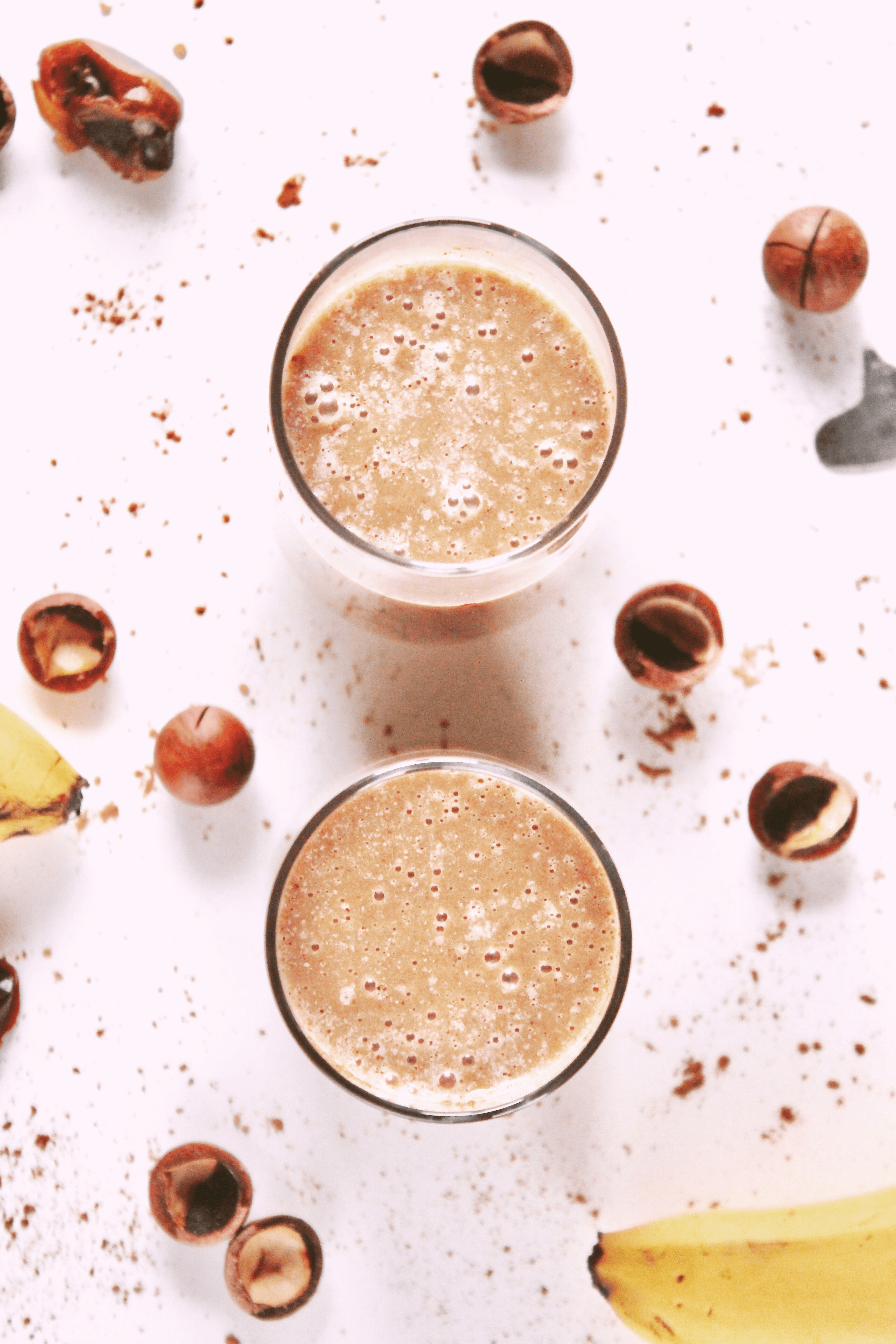
Makes 2 servings. Pour in glass (or drink from blender) and drink one now. Store the second in a sealed jar in the refrigerator for up to 24–36 hours. Shake well before drinking.
Why We Use Macadamia Nuts
Macadamia nuts are not here by accident.
They are one of the most postpartum-friendly nuts nutritionally.
Why?
Extremely rich in monounsaturated fats (stable energy, no crash)
Naturally lower in inflammatory omega-6 compared to many other nuts
Creamy when blended, no gritty texture
Gentle on digestion for most women
Postpartum bodies need fat.
Not for weight gain.
For hormone stability.
Breast milk production requires fat.
Your nervous system requires fat. Your recovering tissues require fat.
Macadamias provide dense, steady fuel without the heaviness some women feel with other nuts.
They also create that “luxury” texture, thick, silky, satisfying, which makes this feel like nourishment, not survival.
If Nut Allergy Concerns:
Replace macadamias with 1 tbsp sunflower seed butter
Or 2 tbsp hemp seeds (nut-free, still rich in healthy fats)
Texture will change slightly.
Nutritional density remains strong.
Why These Specific Ingredients
Oat Milk:
Beta-glucan content = proven galactagogue.
Meaning: actually increases milk supply.
Not folklore. Science.
Studies show beta-glucan increases prolactin(the milk-making hormone) levels.
Also: Using oat milk instead of dairy = double oat benefit. More beta-glucan.
Frozen Banana:
Natural sweetness. No added sugar needed.
Potassium for muscle recovery.
Frozen = makes it thick (feels more filling).
Creamier texture = easier to drink whenyour stomach is uncertain.
Ground Flax Seeds:
Omega-3 fatty acids for:
Hormone production (estrogen metabolism)
Breast milk fat composition
Reducing postpartum inflammation
Supporting mood (yes, really)
Must be ground. Whole flax = passes through.
Buy pre-ground or grind yourself. Store in fridge.
Maca Powder:
Peruvian root. Traditional use: hormone balance, energy, stamina.
Postpartum: Your hormones are in freefall. Estrogen plummets. Progesterone crashes.While prolactin skyrockets for milk.
Maca supports this chaos.
Adaptogen = helps body adapt to stress.
Start small (½ tsp) if new to maca. Some women notice energy boost immediately.
Collagen Peptides:
Your body just:
Stretched skin to capacity
Separated abdominal muscles
Maybe tore perineal tissue
Is now making milk from scratch
Collagen = building blocks for repair.
Glycine and proline = amino acids your tissues need to rebuild.
Unflavored dissolves invisibly.
You won't taste it.
Cinnamon:
Blood sugar regulation. Prevents crashes.
Also: some studies suggest cinnamon supports milk supply. Mechanism unclear. But traditional use across cultures.
Can't hurt. Might help. Tastes good.
How to Actually Make
Real scenarios:
Baby screaming: Make smoothie one-handed while holding baby.Pour. Drink. At least you ate something.
No energy: Someone else makes it. Hands it to you.You drink it. This counts as receiving help.
Morning nausea: Cold, smooth texture = easier than solid food.Sip slowly. Better than eating nothing.
Cluster feeding: Make smoothie. Put in insulated cup with straw.Drink while nursing for hours. This is strategic.
Night feeds: Pre-make in evening. Keep in fridge.Shake and drink at 3am feed.Quick protein without cooking.
Lactation Science
Galactagogues in this smoothie:
1. Oats (beta-glucan)
2. Flax seeds (lignans, omega-3)
3. Cinnamon (traditional use)
Mechanism: These compounds may increase prolactin (milk hormone) production.
Evidence quality:
Oats: Good (multiple studies)
Flax: Moderate (traditional use + nutrient profile)
Cinnamon: Limited (but safe)
Also important: CALORIES.
You need 450-500 extra calories daily for breastfeeding. This smoothie: ~400 calories.
That's not extra weight.
That's fuel for milk production.
Your body is burning 500 calories making milk. This replaces them.
Variations
More protein: Add ½ cup Greek yogurt (150 cal)
More calories: Add 1 tbsp coconut oil or MCT oil (120 cal)
Berry: Replace banana with 1 cup frozen berries (more antioxidants, less sweet)
Green: Add handful spinach (won't taste it, adds iron)
Dessert: Add 1 tsp vanilla + pinch sea salt = tastes like banana cream pie
Trust what sounds good to you.
What to Watch
For Good signs:
Thick, milkshake consistency ✓
Naturally sweet from banana ✓
Smooth (no chunks) ✓
Fills you up for 2-3 hours ✓
Adjust if needed:
Too thick? Add more oat milk
Too thin? Add ice or more banana
Gritty texture? Blend longer
If baby seems fussy after:
Try sunflower seed butter (nut-free)
Remove maca for a week (test)
Remove cinnamon (rare but possible)
Most babies tolerate this fine.
Nutrition Per Serving (½ recipe)
Calories: 630kcal
Protein: 20–24g (with collagen)
Fat: 35g (mostly monounsaturated)
Carbohydrates: 70g
Fiber: 12g
Omega-3: 4g
This is not a snack.
This is structured fuel.
Breastfeeding requires an additional 450–500 calories per day.
One serving provides a substantial portion of that need, intentionally.
Not for weight gain.
For milk production. For hormone stability. For recovery.
Your body is not “holding onto weight.”
It is using energy.
This replaces what breastfeeding burns.
🤍 Bloomest Reminder
"The smoothie you drink while baby cries contains the same nutrients as the meal you planned but never made.
Your body doesn't grade you on plating.
It just needs fed.
This counts."
This is The Bloomest Era. Where smoothies count as meals. Where 2 minutes of blending is self-care. Where feeding yourself while feeding them is exactly enough.
🤍 Nourish the body
Let Bloomest hold the rest.
Learn more
Discover more from the latest posts.